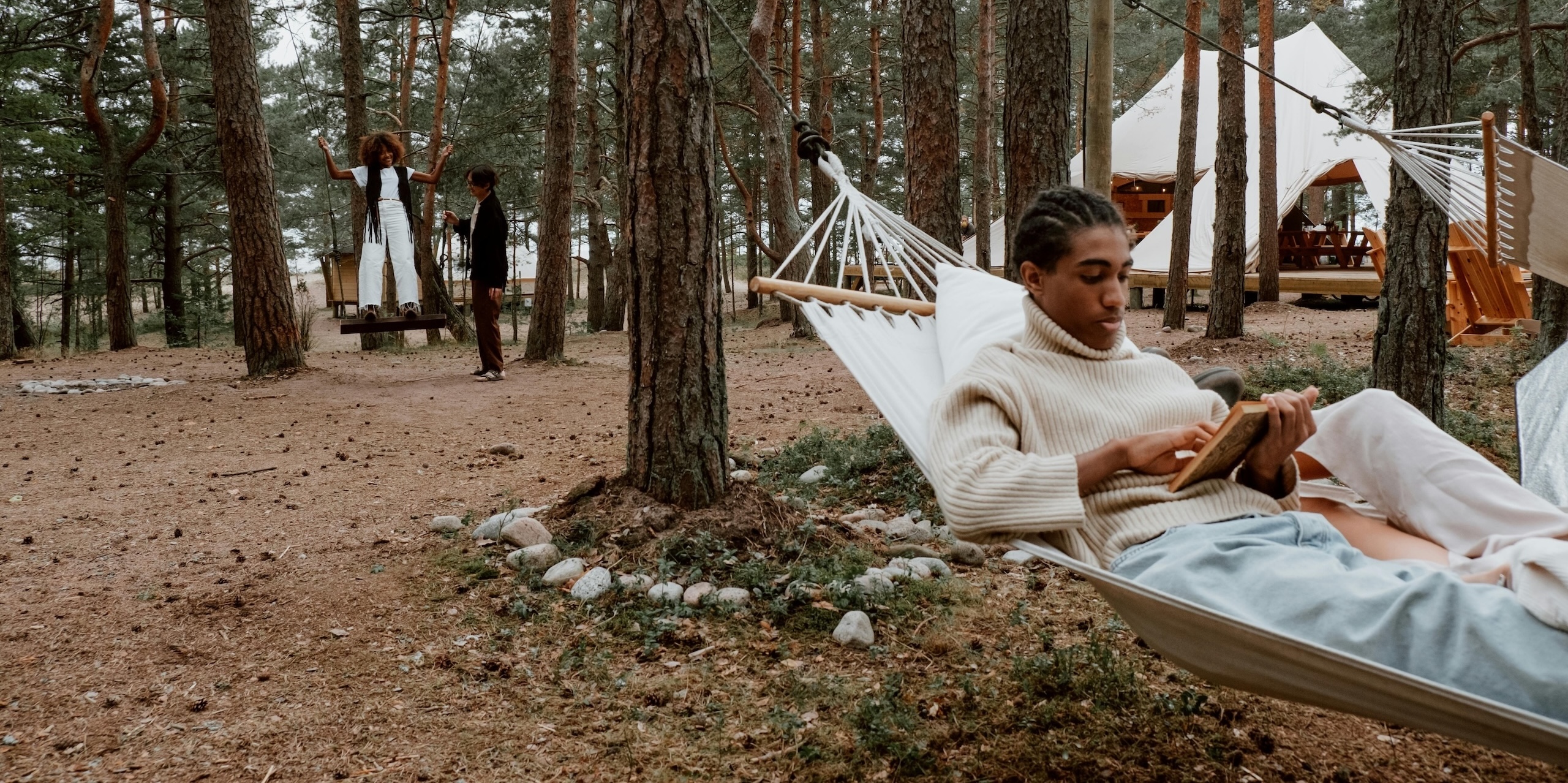
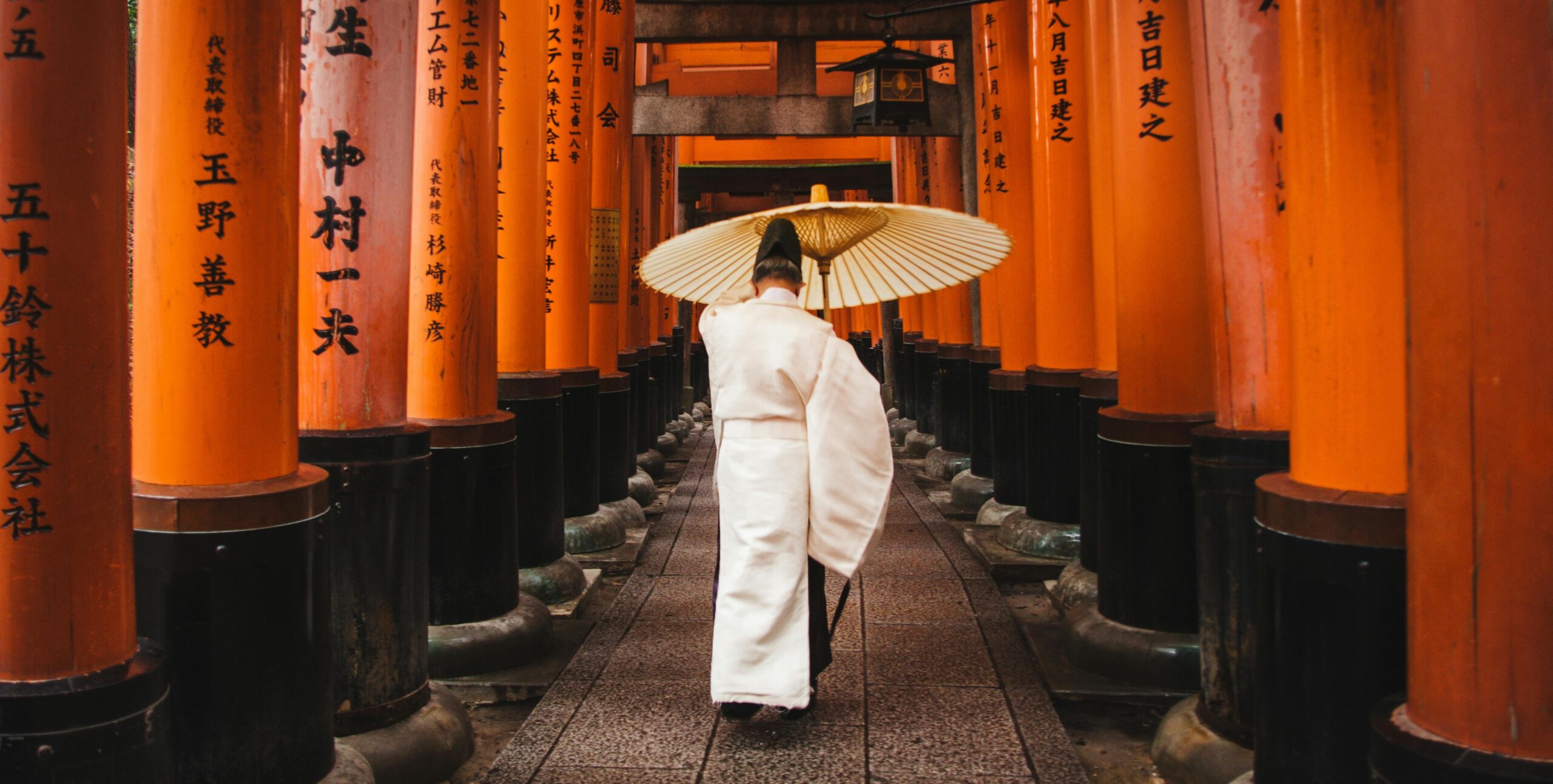
At the heart of this trend is a desire for connection. Travellers are choosing homestays over hotels, neighbourhood cafés over famous restaurants, and local workshops over guided tours. The goal is not just to visit a place, but to feel a part of it, even if only for a short time.
Food has become one of the most important entry points into culture. Cooking classes, market visits, and street food tours are no longer niche activities. They are often the highlight of a trip. Sitting down for a home-cooked meal or learning a traditional recipe offers something that no restaurant or itinerary can replicate. It creates a sense of intimacy and understanding that goes beyond sightseeing.
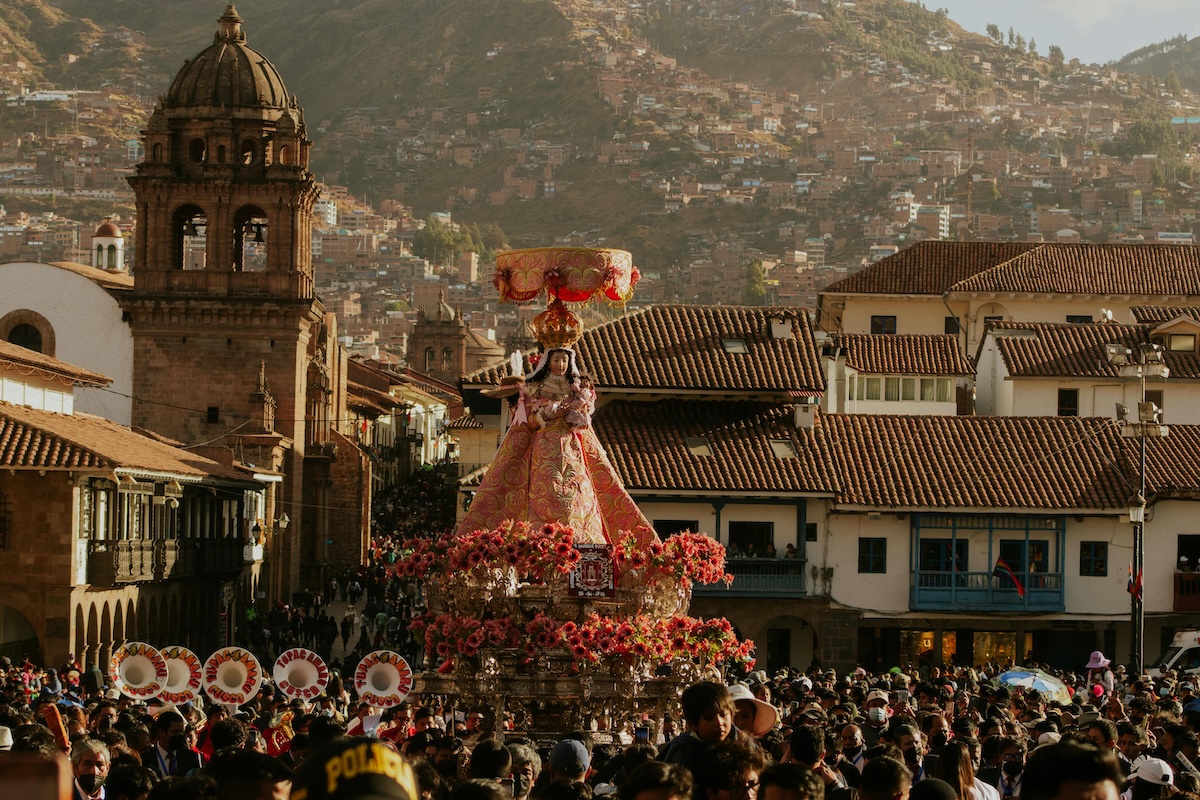
Language and everyday interaction are also playing a bigger role. Even small efforts, like learning a few phrases or engaging in conversation with locals, are becoming part of the experience. These moments may seem minor, but they often leave the strongest impressions. They turn a destination from a place on a map into something more personal and memorable.
This trend is also influencing how destinations present themselves. Communities are increasingly offering experiences that highlight their traditions, crafts, and ways of life. From artisan workshops to cultural festivals, there is a growing emphasis on sharing identity rather than just attracting visitors.
At the same time, cultural immersion travel raises important questions. As more people seek “authentic” experiences, there is a risk of those experiences becoming staged or commercialized. What starts as genuine cultural exchange can sometimes turn into performance. Travellers are becoming more aware of this, and many are now looking for ways to engage respectfully and responsibly.
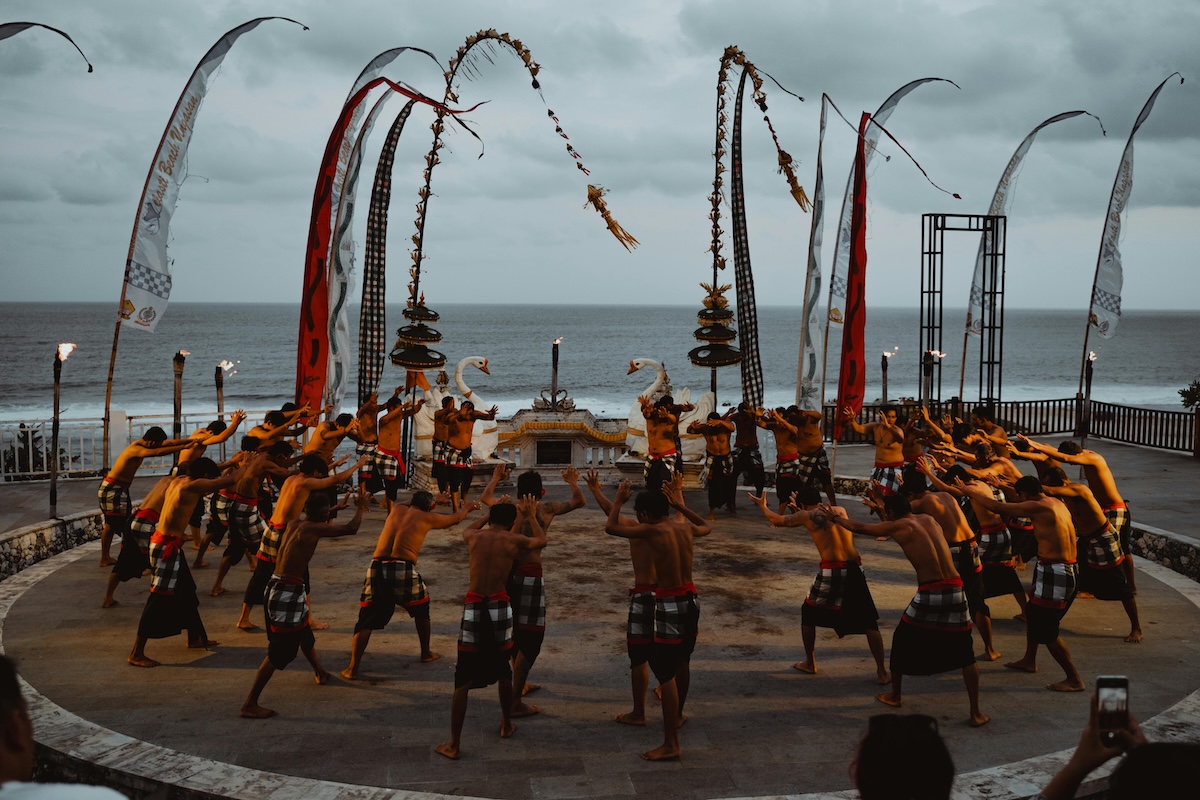
What makes this shift significant is that it reflects a broader change in values. Travel is no longer just about escape or entertainment. It is about learning, understanding, and sometimes even challenging one’s own perspective. The destination matters, but the experience matters more.
As this approach continues to grow, it is reshaping travel culture itself. The most meaningful trips are no longer defined by how much you see, but by how deeply you connect. In that sense, travel is becoming less about movement and more about presence.
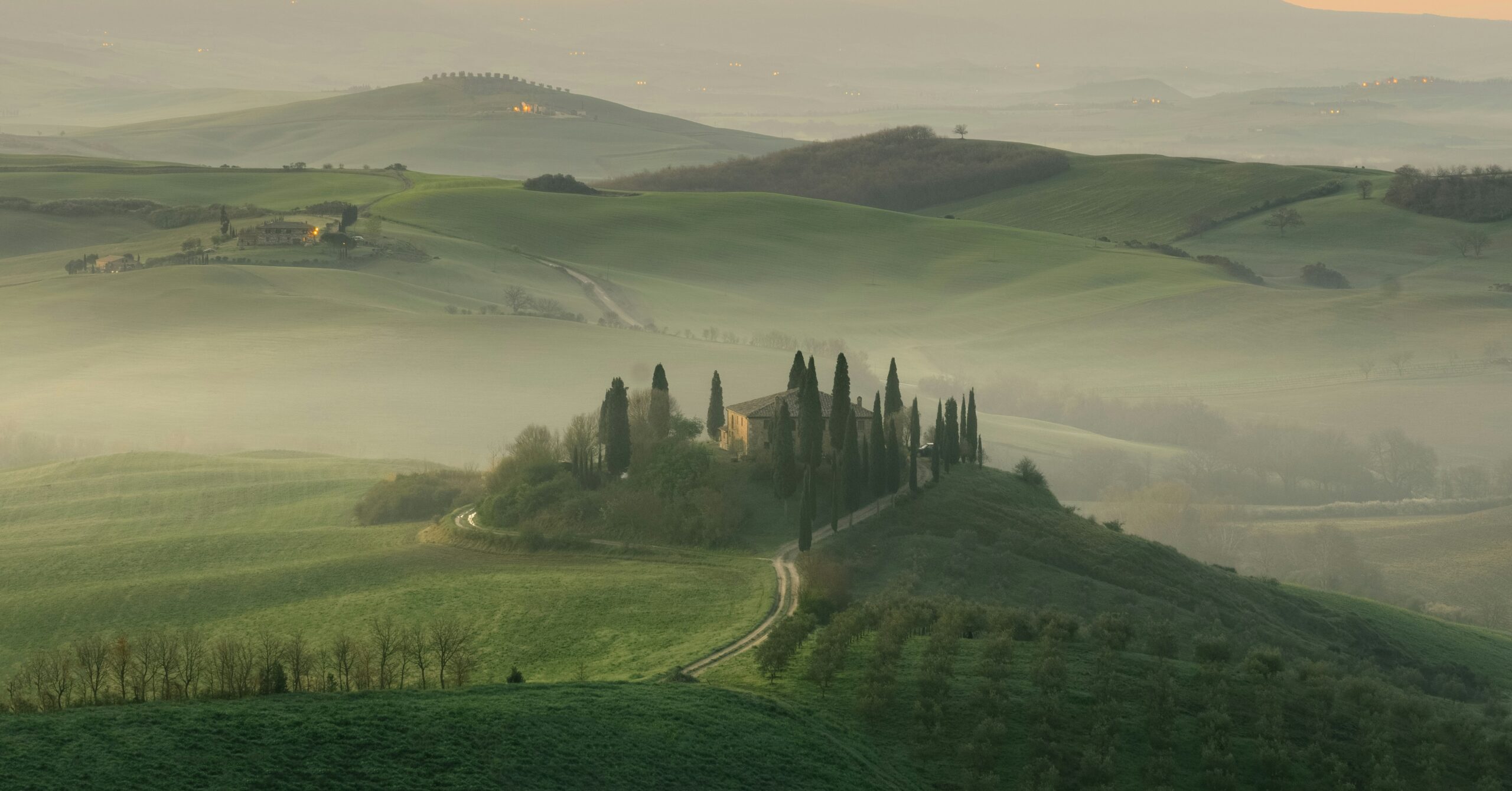
I found this pretty farmhouse in Tuscany one day after scrolling through hotel listings that all looked the same. The photos showed stone buildings, olive trees, and clear blue sky...

Montreal offers live music in the most casual, welcoming way. Travellers can wander into small cafés, neighbourhood bars, and creative spaces without paying entry, which makes the...