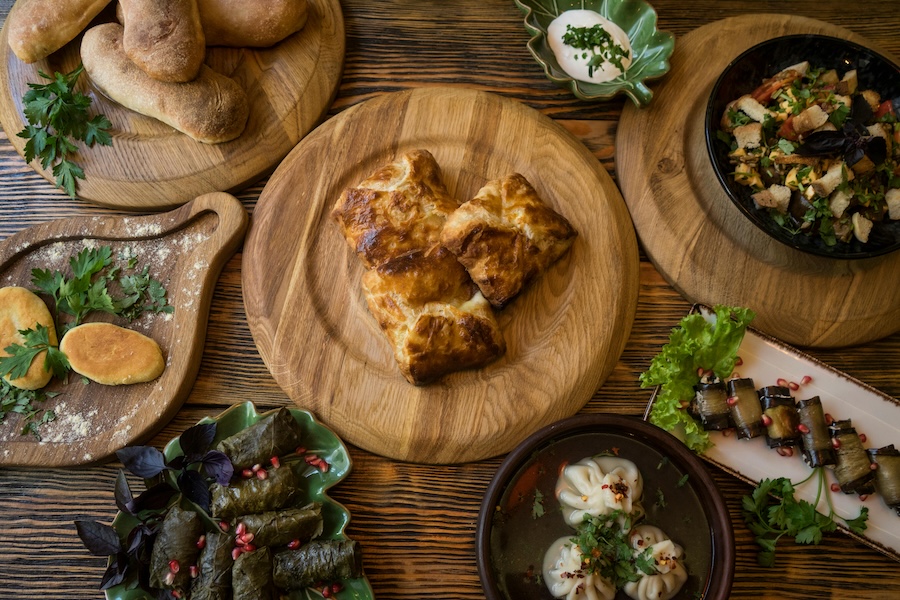
One of the most important cultural traditions is the supra, a traditional Georgian feast that goes far beyond a typical meal. It is a structured gathering led by a tamada, or toastmaster, who guides a series of toasts that can touch on family, history, love, and memory. Each toast has meaning, and guests are expected to listen, reflect, and participate. Food is central, but the purpose of the supra is connection. It reflects a culture that places strong value on community and shared experience.
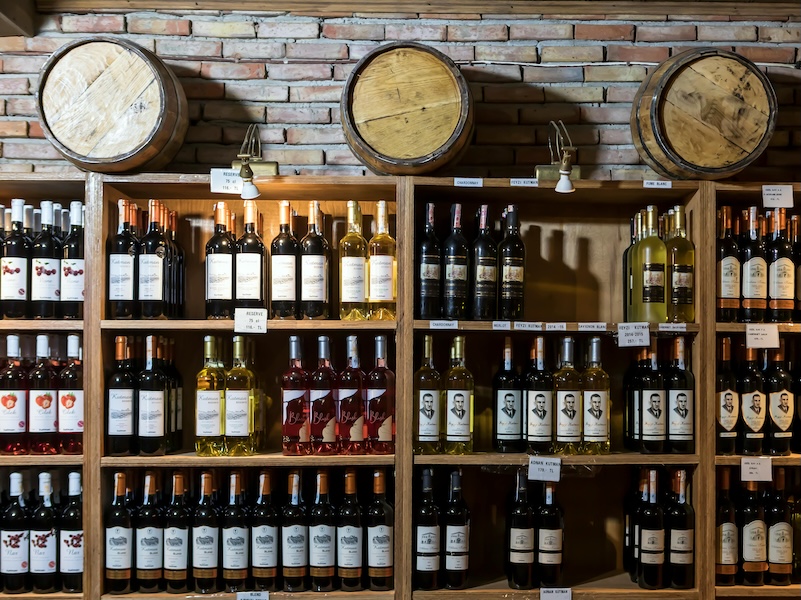
Wine plays a key role in Georgian tradition, with a history that dates back thousands of years. Georgia is considered one of the oldest wine-producing regions in the world, and traditional methods are still used today. Wine is often made in qvevri, large clay vessels buried underground, a practice recognized by UNESCO. This connection to winemaking is not just about production, but about identity, with wine closely tied to gatherings, rituals, and everyday life.
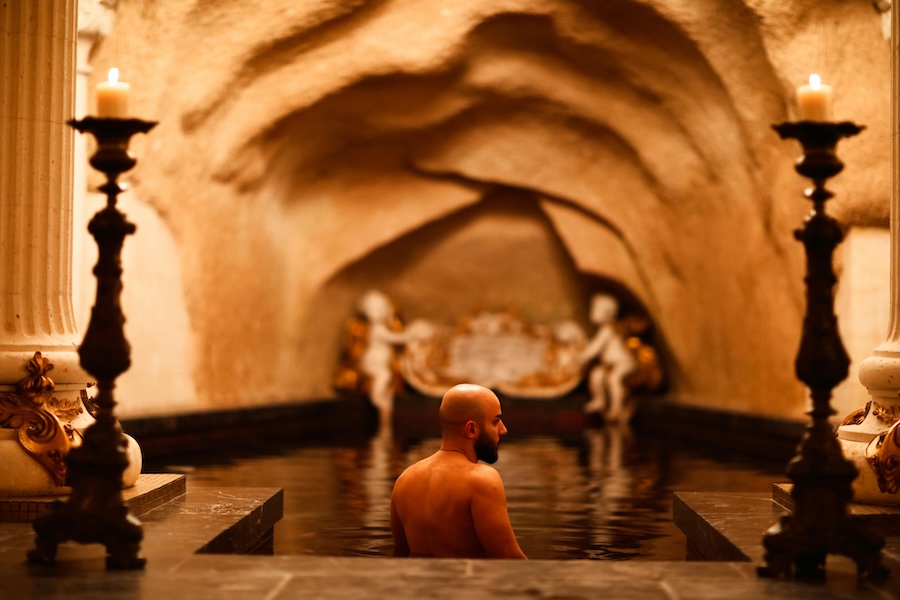
Another defining tradition in Tbilisi is its sulphur bath culture. The bathhouses in Abanotubani have been used for centuries and remain an important social ritual. Visiting the baths is not only about relaxation, but also about routine and connection. Locals come to unwind, talk, and maintain a practice that has been part of the city’s rhythm for generations.
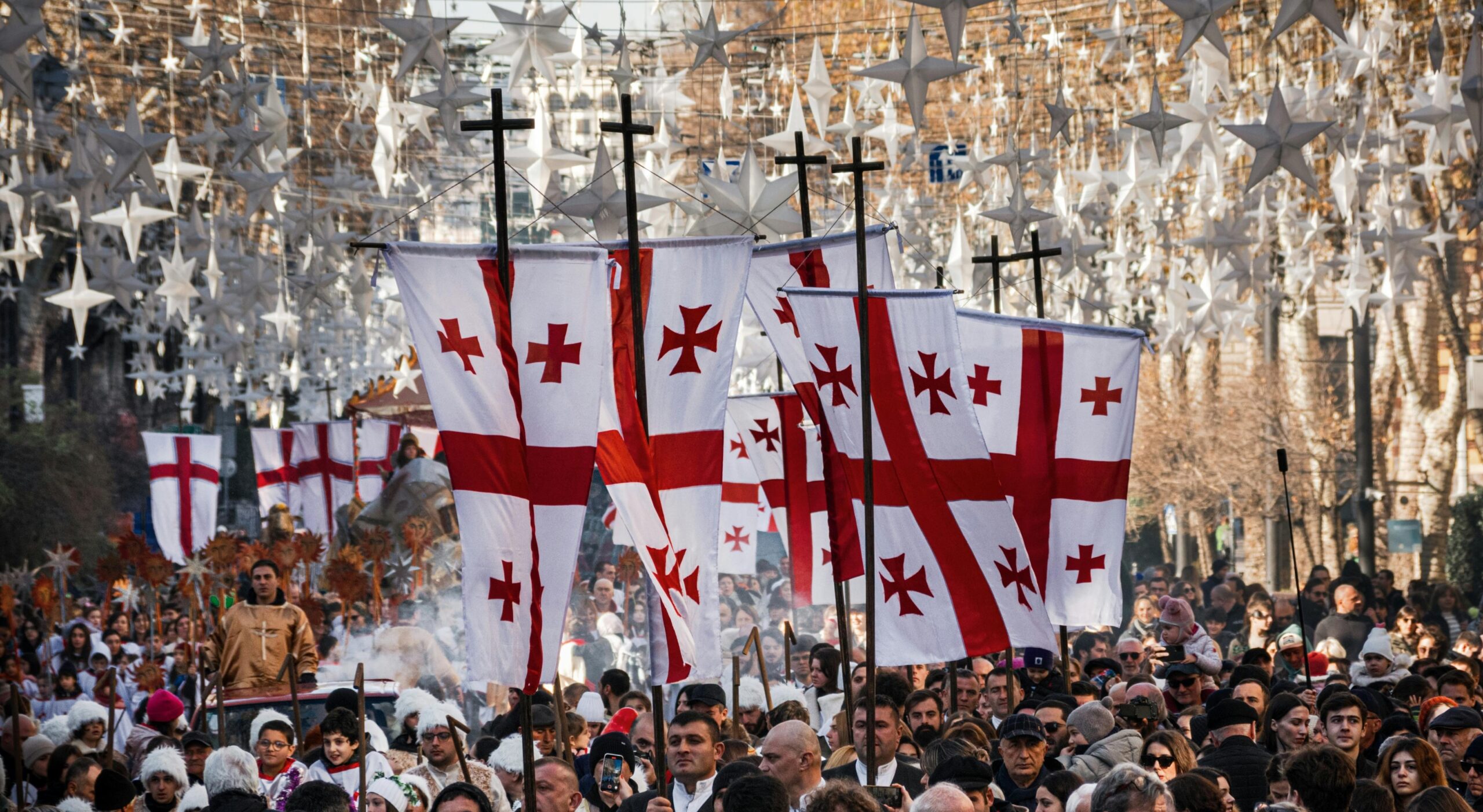
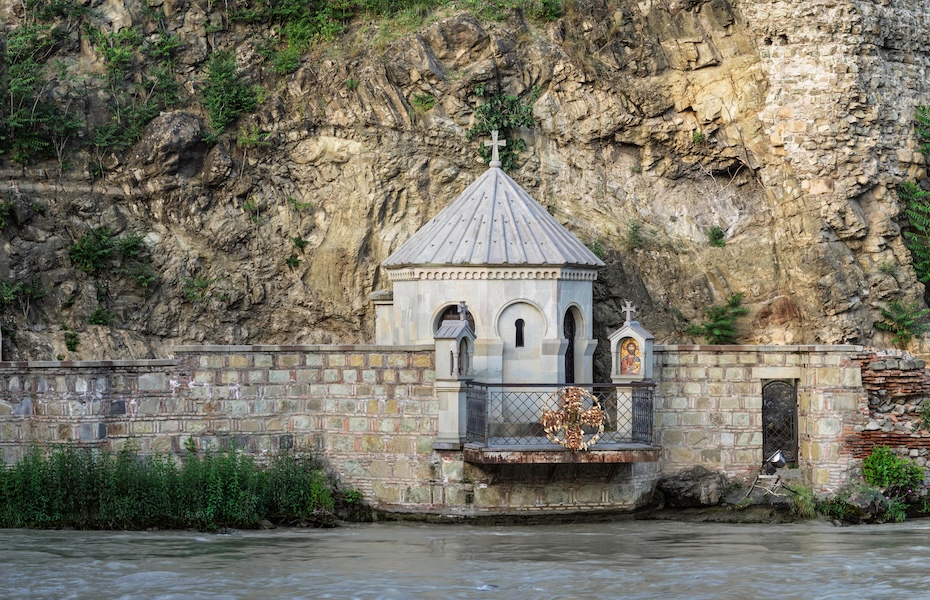
Religion and history also shape the cultural landscape. Georgian Orthodox Christianity plays a central role, and churches are an important part of both the physical and social environment. Many traditions, holidays, and customs are tied to religious practice, reinforcing a strong sense of continuity and identity.
Even as Tbilisi continues to modernize, these traditions remain present. They are not performed for visitors, but lived by the people who call the city home. Experiencing Tbilisi means understanding these customs and recognizing how they continue to shape everyday life in a way that feels natural and enduring.

Capsule hotels began in Japan as a practical way to give travellers a clean, private place to sleep in small spaces. The idea has since spread across the world. These hotels are ef...
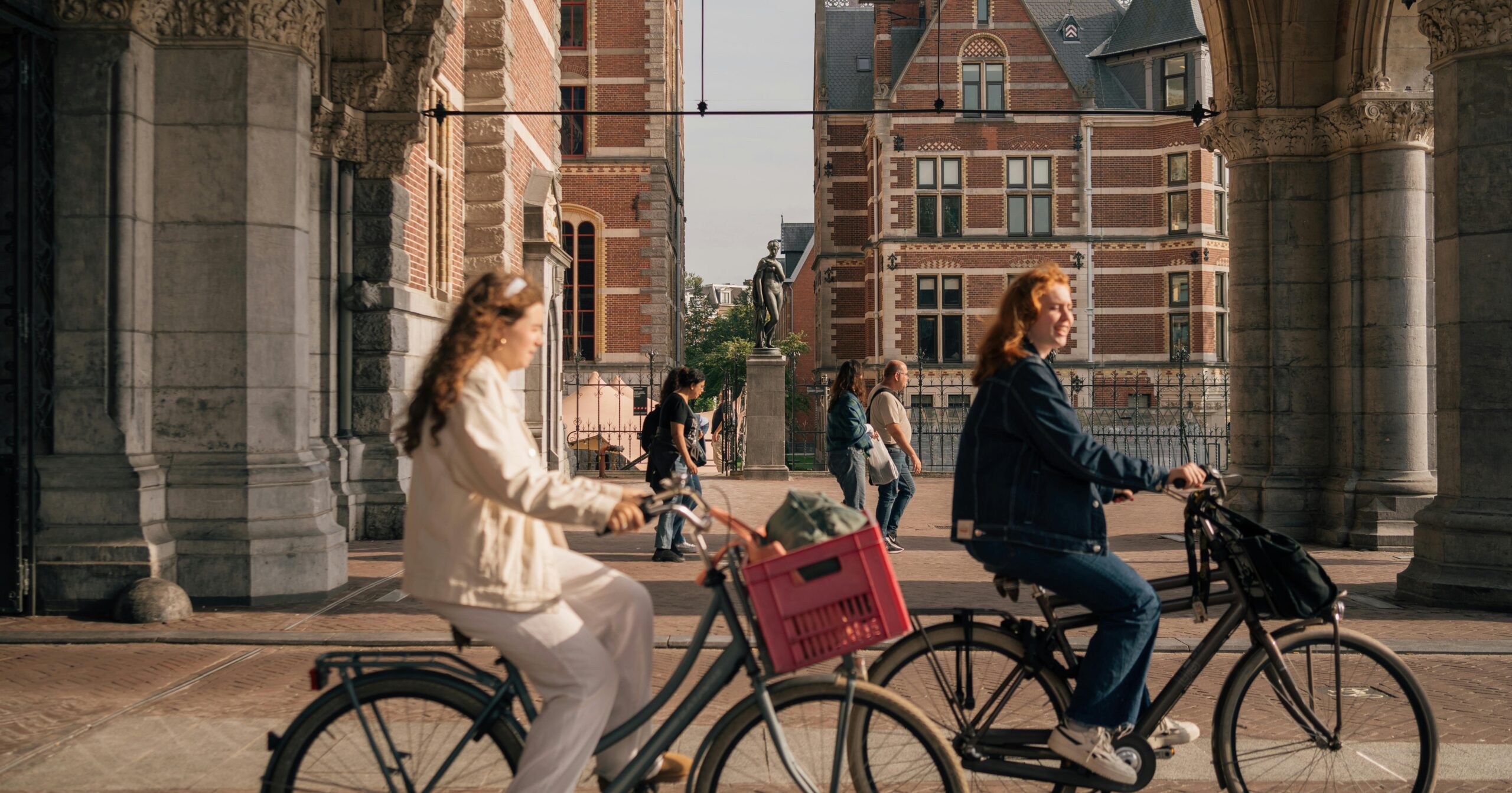
Amsterdam is known for its canals, narrow houses, and busy streets, but the best way to experience it is not on foot or by public transport. It is by bike. Renting a bicycle for th...